Geothermal energy is a renewable energy source that could make a big difference to the home and Earth's way of generating power.
Geothermal power plants emit about 97% less carbon dioxide (CO₂) per unit of electricity generated compared to fossil fuel-based power plants.
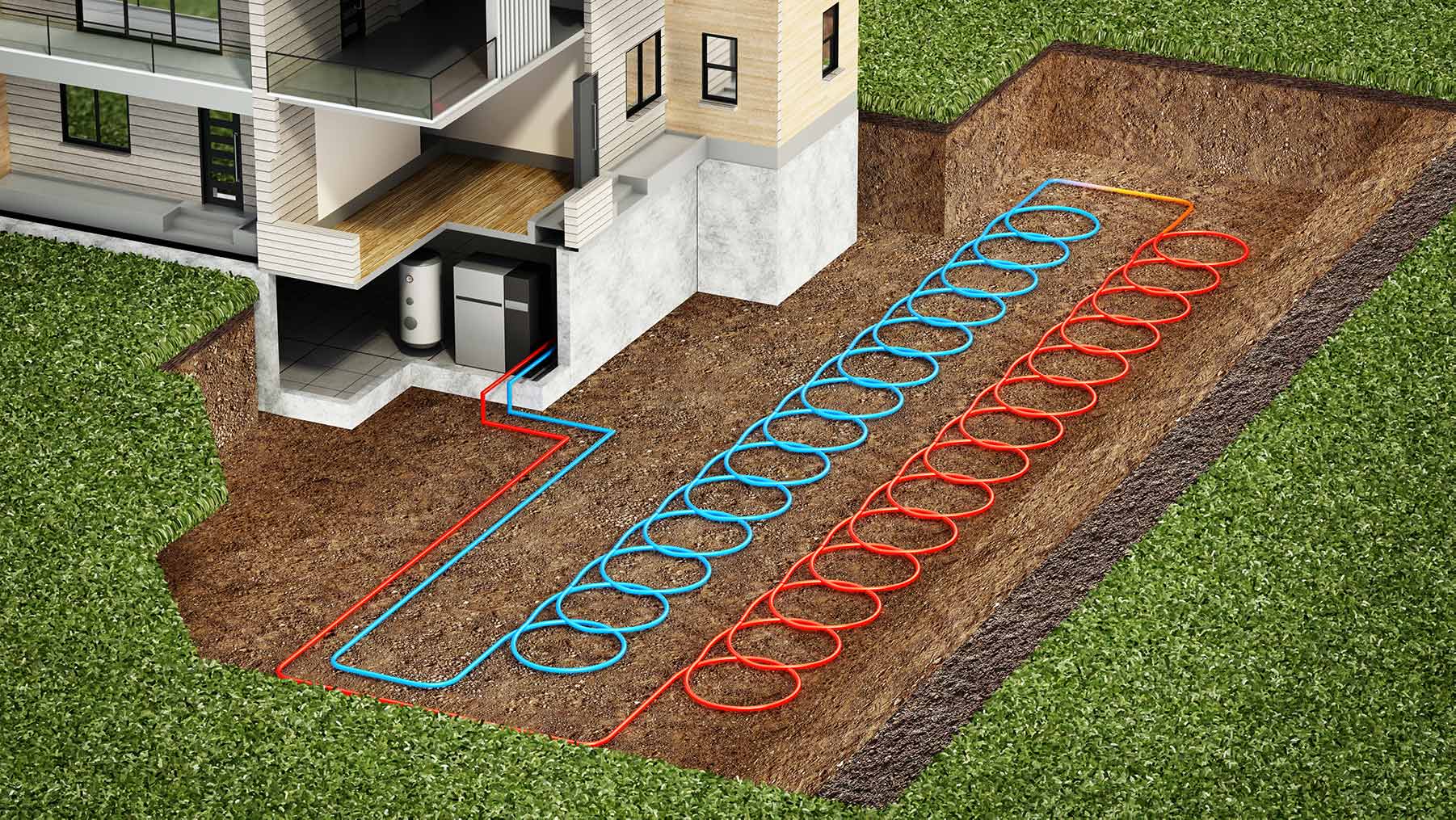
Geothermal energy works by tapping into the Earth's natural heat, just like turning on a tap to get hot water.
Special systems use pipes buried underground to capture that heat and bring it up to your home.
Then, it's used to warm your house in the winter and cool it in the summer, all without burning fossil fuels.
Geothermal energy installations can cost $10k-40k USD, but after the installation costs, the average kWh costs 5-9 cents USD.
Using the national average family usage of 12,000 kWh annually, the yearly cost after installation fees comes out to $600-$1,080.
Additionally, in The United States, to offset the high installation costs, homeowners may qualify for the Federal Residential Renewable Energy Tax Credit, which offers a tax credit of up to 26% of the cost of various geothermal pumps.
Additionally, some states or local utilities may offer their own incentives, such as rebates or grants, to encourage the adoption of geothermal energy systems.
Facts about Geothermal Energy:
Earth's Natural Heat: Geothermal energy harnesses the heat stored beneath the Earth's surface to generate electricity and heat buildings.
Clean and Renewable: Geothermal power plants produce minimal greenhouse gas emissions and air pollutants, making them a clean and sustainable energy option.
Consistent and Reliable: Unlike solar and wind energy, which are dependent on weather conditions, geothermal energy provides a consistent and reliable source of power, 24/7, 365 days a year.
Versatile Applications: Geothermal energy can be used for various applications, including electricity generation, heating, and cooling. It's a versatile energy source that can meet different needs in residential, commercial, and industrial settings.
Geothermal Energy
Pros
Cons
Clean and Renewable Energy Source
Can cause earthquakes and other natural disasters stemming from surface instability.