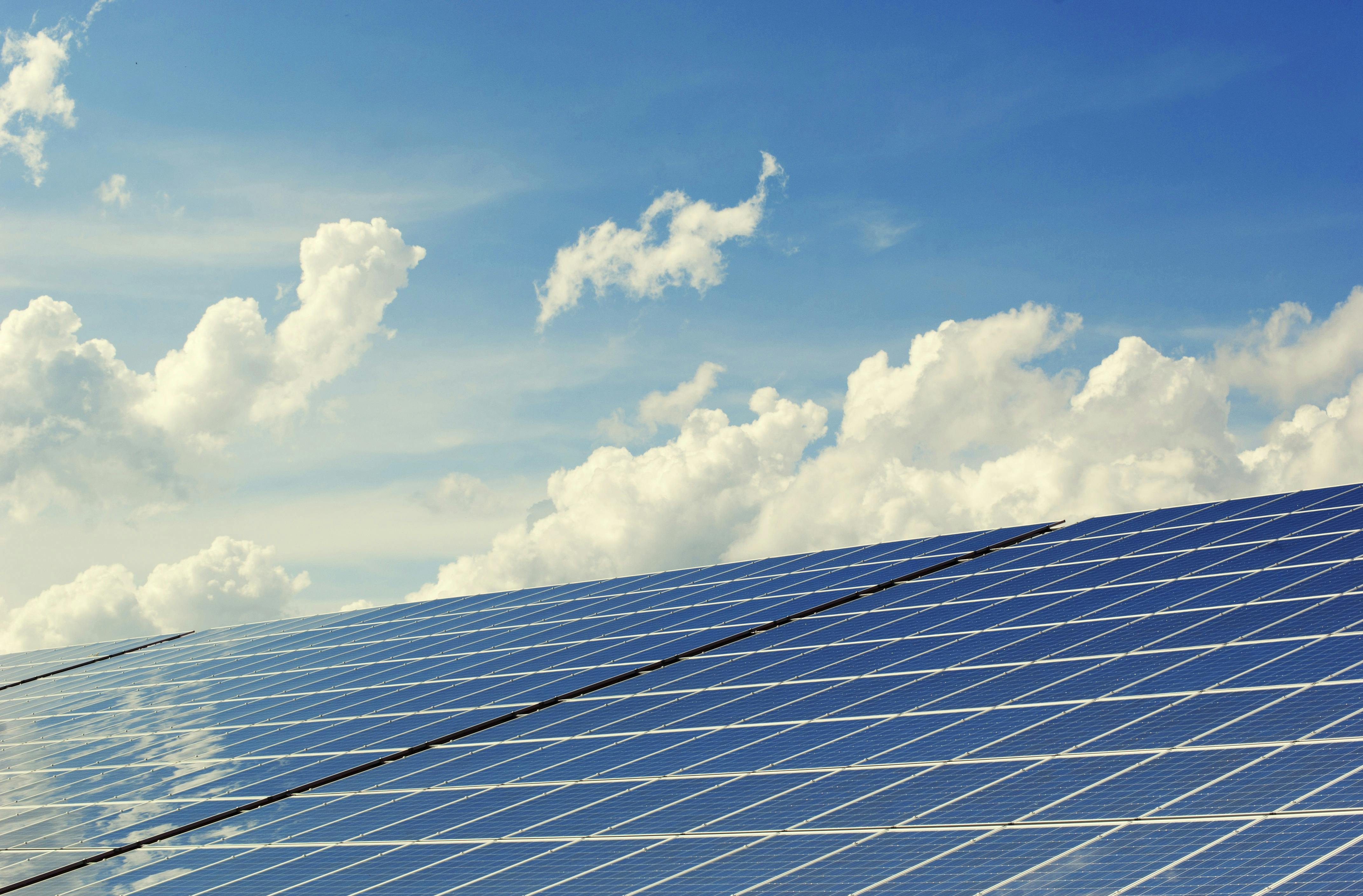
Solar energy works by capturing sunlight with solar panels, which are usually installed on rooftops.
These panels contain photovoltaic cells that convert sunlight into power which can be used to power your home's appliances and lights, reducing reliance on traditional grid power.
It presents homeowners with an opportunity to embrace clean and renewable energy solutions while reducing their carbon footprint and energy costs.
By harnessing the power of the sun, homeowners can generate electricity on-site, contribute to environmental sustainability, and increase the value of their properties.
The average solar panel's cost can fall anywhere between $8000-$31,000 USD.
Despite these high installation costs, once the panels are set up, the average cost for a kWh is 6-8 US cents.
This makes solar panels an incredible forward investment, for the average family uses 12,000 kWh annually, meaning that the annual cost of solar panels after installation is $720-$960.
Facts about Solar Energy:
Abundant Resource: Solar energy is derived from the sun, which provides an abundant and inexhaustible source of power.
Clean and Renewable: Solar power generates electricity without emitting greenhouse gasses or harmful pollutants, making it one of the cleanest forms of energy available.
Cost-Effective: With declining costs of solar panels and available incentives, solar energy has become increasingly affordable for homeowners.
Energy Independence: Solar panels enable homeowners to generate their own electricity, reducing dependence on external energy sources and centralized power grids.
Low Maintenance: Solar panels require minimal maintenance and have a long lifespan, providing reliable electricity generation for decades.
Environmental Benefits: Switching to solar energy helps mitigate climate change by reducing carbon emissions and preserving natural resources.
The cumulative global installed solar photovoltaic (PV) capacity exceeded 800 gigawatts (GW) by the end of 2021, with solar power accounting for over 4% of global electricity demand. This percentage will continue to rise as society switches over to a sustainable future.
Solar Energy
Pros
Cons
Clean and Renewable Source of Energy
High upfront costs
Potential for Cost Savings on Electricity Bills
Sunlight-dependent
Energy Independence and Security
Large space needed
Low Maintenance and Long Lifespan of Solar Panels
Difficulties and emissions of production
Environmental Benefits, including Reduced Carbon Emissions
Difficulties associated with relocating and disposal of the panels
Availability of Financial Incentives and Tax Credits