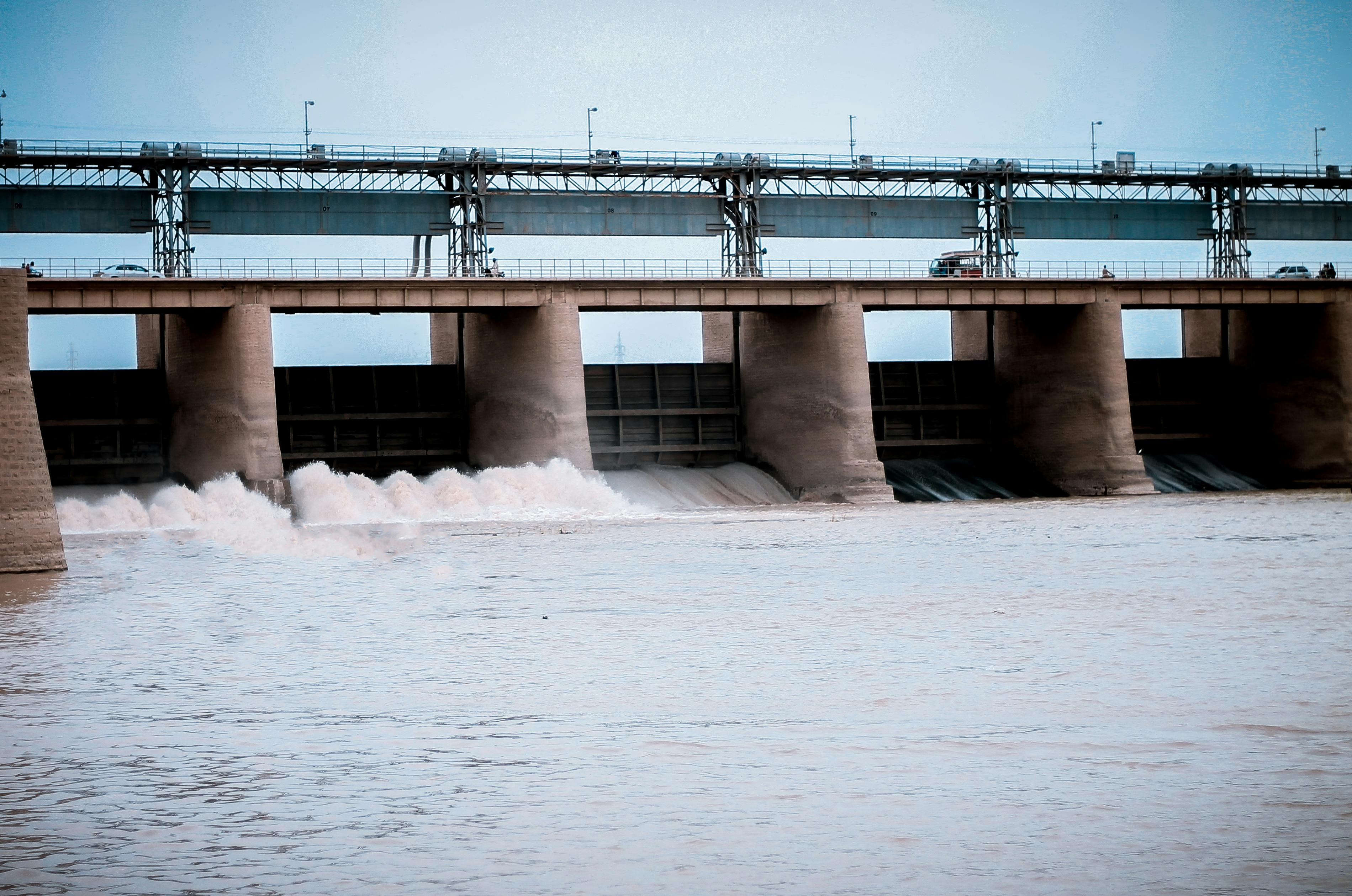
Originating in the 18th century, hydroelectric power is one of the oldest sources of renewable energies. Much like wind energy, it uses the kinetic energy of water to generate electricity. Hydropower currently holds 6.2% of the United States' energy generation and usage. Despite the massive dams that often come to mind when thinking about hydroelectric power, these systems can vary greatly in the size of their mechanisms.
Hydroelectric has largely already proven itself as an incredible option to switch to, already providing more than 60% of Washington's total electricity generation. This also has caused the price to drop significantly, making it one of the most affordable options in the market. In fact, after the installation fees of $2881 per kWh installed, the average kWh ranges from 2 to 4 cents USD, meaning that when using the national average of 12,000 kWh annually, the average family can expect to pay $240-$480 each year after installation. Additionally, to offset the initial fees, the US Department of Energy offers tax credits depending on the amount of mWh of production.